Cap, Combat (Baseball Style)
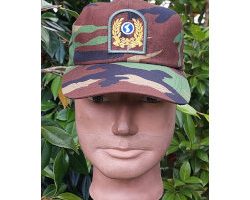
The South Korean Cap, Combat (Baseball Style), a privately purchased Tonghab camouflage combat cap commonly worn by soldiers after completing basic training in place of the unpopular issued “bread cap” (빵모).
South Korea
Home » Uniforms And Accessories » Headwear
The South Korean Cap, Combat (Baseball Style), a privately purchased Tonghab camouflage combat cap commonly worn by soldiers after completing basic training in place of the unpopular issued “bread cap” (빵모).
The Hat, Combat, Tropical, Multi-Terrain Pattern (MTP) was introduced following the adoption of MTP in 2010, during the final phase of the Combat Soldier 95 (CS95) uniform system. It formed part of the transitional period between CS95 and the Personal Clothing System (PCS), and continued in service under PCS as the issued tropical hat. The design remained in use throughout the operational life of both uniform systems with minimal structural alteration.
Read More »
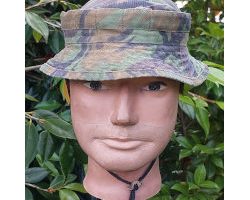
The Hat, Jungle DPM, Soft Brim was a commercially produced item available for purchase to New Zealand soldiers in the early 2000s. It was sold through Squires Tactical Gear in Taihape, a well-known military outfitter supplying serving personnel, civil organizations, and hunters.
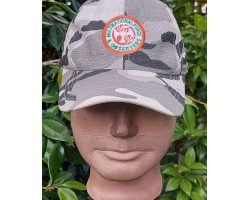
With South Korea holding numerous Korean War remembrance events throughout the year, this Marine-style cap originates from the 15th Dosolsan Festival (도솔산 전투 기념행사) in 2012.
The cap was worn by both veterans and serving personnel of the Republic of Korea Marine Corps (ROKMC) attending the commemorative function..
Not much is currently known about this specific hat; however, it can be ascertained that with the adoption of the Granite-B camouflage pattern around 2010, the Republic of Korea Army produced a waterproof boonie-style field hat fabricated from a tri-laminated, Gore-Tex–type fabric.
Read More »
Not much is known about this cap; however, it can be ascertained that it was fabricated from thick woollen cloth similar to that used in the production of the New Zealand Army’s DPM woollen jacket during the early 1990s. Heavy wool fabrics of this type were already well established within New Zealand’s tramping, farming, and outdoor working communities by the early 1980s, most notably through brands such as Swandri.
The frill-neck hat forms part of a broader family of headwear sometimes referred to as the “Urban Turban” style, produced in Australia by Frillneck. The design takes its name from the frill-neck lizard native to Australia, a reference that reflects both its appearance and its intended function in extreme heat environments.
Little is known about this cap at present other than that it originates from Thailand and was in use during the late 1990s.
The Hat, Utility, Camouflage, Waterproof was first issued in the mid-1960s, alongside a waterproof smock made in the same camouflage pattern. Designed for use in humid jungle environments, the hat was issued in more limited numbers than the smock.
The Hat, Combat, DPM Desert was first introduced in the late 1980s, featuring a four-color Desert DPM (DDPM) pattern and a design similar to the Hat, Combat, Tropical. However, it saw limited use by UK forces at the time.
Read More »
© 2026 The Army Surplus Museum