Cap, Combat (Baseball Style)
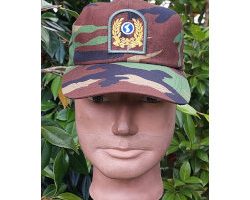
The South Korean Cap, Combat (Baseball Style), a privately purchased Tonghab camouflage combat cap commonly worn by soldiers after completing basic training in place of the unpopular issued “bread cap” (빵모).
South Korea
Home » Commercial/ Private Purchase Uniforms And Equipment
The South Korean Cap, Combat (Baseball Style), a privately purchased Tonghab camouflage combat cap commonly worn by soldiers after completing basic training in place of the unpopular issued “bread cap” (빵모).
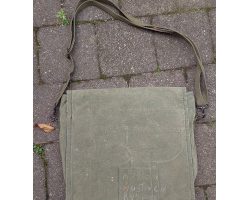
The exact role of this bag has yet to be determined, however there is a high probability it was used as a TEWT (Tactical Exercise Without Troops) bag by junior officer cadets or officers during navigation and battlefield movement exercises.
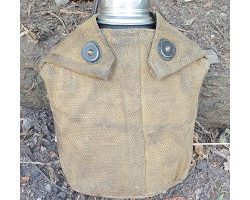
At first this cover was believed to be an early Singaporean canteen cover dating from the early to late 1970s. However, further research suggests it is more likely of Malaysian origin, either issued by the Malaysian Army in the late 1960s or produced commercially in Malaysia during the 1970s.
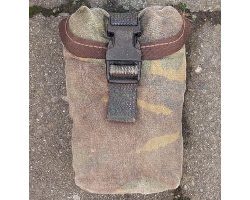
The most that can be ascertained at present is that these pouches are likely commercial variants of the Malaysian Army M-1970 Pouches, Ammunition, produced locally in Malaysia during the late 1970s.
The Hat, Jungle DPM, Soft Brim was a commercially produced item available for purchase to New Zealand soldiers in the early 2000s. It was sold through Squires Tactical Gear in Taihape, a well-known military outfitter supplying serving personnel, civil organizations, and hunters.
When Malaysia chose to issue a close copy of the U.S. M-1961 Field Pack, Combat alongside their M-1970 web equipment, by the late 1980s commercial companies began producing variants of the standard components in nylon duck printed with the M-1970 brushstroke camouflage pattern. The Field Pack, Combat was one of the items offered in this commercial line.
Like many Western armies, the New Zealand Defence Force (NZDF) did not issue a dedicated patrol pack to its soldiers for many years. Troops who needed one were often left to source or purchase their own—resulting in a mix of commercial and improvised options being used in the field.
Read More »
Secateurs—a hand tool more commonly found in the garden shed and often wielded by old ladies trimming rose bushes—are not something most people associate with soldiers. Yet, these heavy-duty shears, designed for cutting and pruning bushes and small trees, found their way into the kit of Australian and New Zealand troops operating in dense jungle environments.
Read More »
In 1970, Malaysia adopted a brushstroke camouflage pattern for its military uniforms and equipment. This decision led to the exclusive production of field packs in this distinct design. Naturally, commercial manufacturers followed suit, producing webbing and accessories in the same pattern to meet market demands.
Read More »
The New Zealand Army began issuing patrol packs in the early 2000s. Previously, soldiers used large field packs, forcing them to buy their own patrol packs. The popular Oval Pack by Westlorne could be packed small enough to fit inside the Large Alice pack, allowing soldiers to leave the larger field pack behind during operations.
Read More »
© 2026 The Army Surplus Museum