
Smock, Parachutist’s
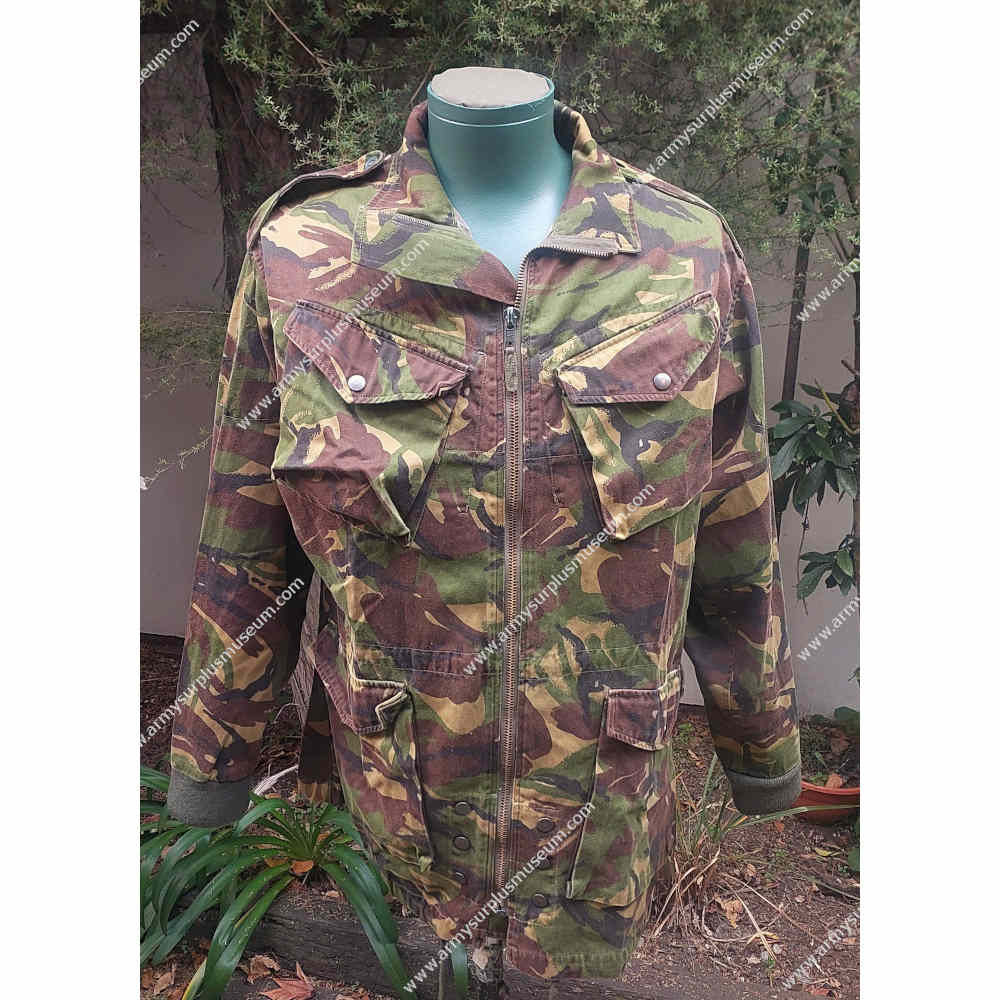
General Information
Name: Smock, Parachutist’s.
Country of Origin: The United Kingdom.
Date of Production: See examples.
Manufacturer: See examples.
NATO Stock Number (NSN): See examples.
Contract Number: See examples.
Camouflage Pattern: See examples.
Uniform Family: Airborne Garment.
Size: See examples.
Number Of Pockets: Eight.
Volume Capacity: 19.2L.
Weight: See examples.
Windproof: Yes.
Waterproof: No.
History
Developed specifically for soldiers of the British Parachute Regiment, the Parachutist’s Smock was designed to meet the unique demands of parachute operations. Its distinctive features reduced snag hazards during aircraft exit, controlled wind billow during descent, and allowed equipment to be carried securely while airborne.
During the Second World War, British airborne smocks evolved through a number of patterns and designs, eventually leading to the development of the Denison Smock, which became closely associated with British airborne forces. While these earlier wartime smocks established many of the features later associated with British parachutist clothing, the post-war period saw the development of a more modern family of airborne smocks that would eventually evolve into the later DPM and MTP Para Smocks.
By the late 1950s and early 1960s, British airborne smocks had begun transitioning away from wartime Denison-style camouflage garments toward newer combat clothing systems better suited to modern manufacturing methods and evolving camouflage requirements.
Unlike the standard British combat smock, the Para Smock retained a number of airborne-specific design features developed from earlier parachutist garments. These included the replacement of buttons with metal dome fasteners to reduce the risk of parachute shroud lines snagging and tearing buttons free during jumps, angled lower pockets that were easier to access when worn with webbing and parachute harness equipment, and knitted wool cuffs that improved insulation while reducing snagging around the wrists. The external beaver tail/crotch strap also remained a distinctive feature intended to prevent the smock riding up during parachute descents.
Even after much of the British Army transitioned to newer clothing systems such as the Combat Soldier 95 field jacket, airborne forces continued to retain the Para Smock due to its practicality, storage capacity and airborne-oriented design features.
Description
The smock is fabricated from cotton cloth and later poly-cotton blended cloth and lined internally with cotton sateen fabric.
The collar is a double-ply convertible collar and has a single button on the left, right and centre rear that enables a 68 Pattern Smock Hood to be fitted. The smock closes at the front with a full-length metal zip fitted with a metal runner and internal storm cover. The shoulders have button-down shoulder straps for rank slides and brassards.
The smock has two angled bellows upper pockets positioned towards the centre of the chest that close with positive sealing lids secured by metal domes. Below these are two larger bellows lower pockets angled away from the centre of the waist that also close with positive sealing lids and metal domes.
The back of the smock has an external beaver tail/crotch strap secured in the raised position by two metal domes, allowing it to be released without removing the smock.
The sleeves have knitted wool cuffs. The upper left sleeve has a small flat pocket with a buttoned lid incorporating a pen sleeve and a larger compartment of uncertain purpose. The upper right sleeve, facing outward from the arm, has a small bellows pocket with a negative sealing lid secured by a metal dome and intended to carry a field dressing
The internal side of the smock is three-quarter lined across the back, shoulders and chest with cotton sateen cloth, which is also used on other internal sections of the garment. The internal front has a full-length storm cover for the zip, removing the need for an external buttoned storm flap. Positioned over the chest on either side are flat internal pockets that open towards the outer edge, allowing the front zip to be partially opened so items can be removed without fully opening the smock.
The waist has two draw-cords that allow the smock to be drawn in from either side. Below this is a large sateen reinforcement panel sewn into the lower rear section of the smock to strengthen the dome fasteners used for securing the crotch strap when not in use. Open-top sleeve pockets are fitted on either side of this panel.
The lower ends of the front zip have female metal dome sections that enable the crotch strap to be pulled between the legs and secured in one of three positions depending on the wearer’s requirements. The lower hem of the smock contains a draw-cord channel allowing the bottom of the smock to be drawn in to retain heat.
As Desert DPM clothing became more widely issued during the late 1990s and early 2000s, the original temperate camouflage variants of the Parachutist’s Smock increasingly became referred to as “Woodland DP” or “Woodland DPM” to distinguish them from desert issue garments, and this gradually became the standard designation for temperate DPM smocks. Despite this, a standard production desert version of the Parachutist’s Smock was never widely fielded, possibly due to the need for the smock fabric to remain highly windproof during parachute descents, which would have made the garment hot and uncomfortable during daytime movement in desert environments, especially as airborne troops often lived and operated in their smocks for extended periods after landing.
Examples
Example One
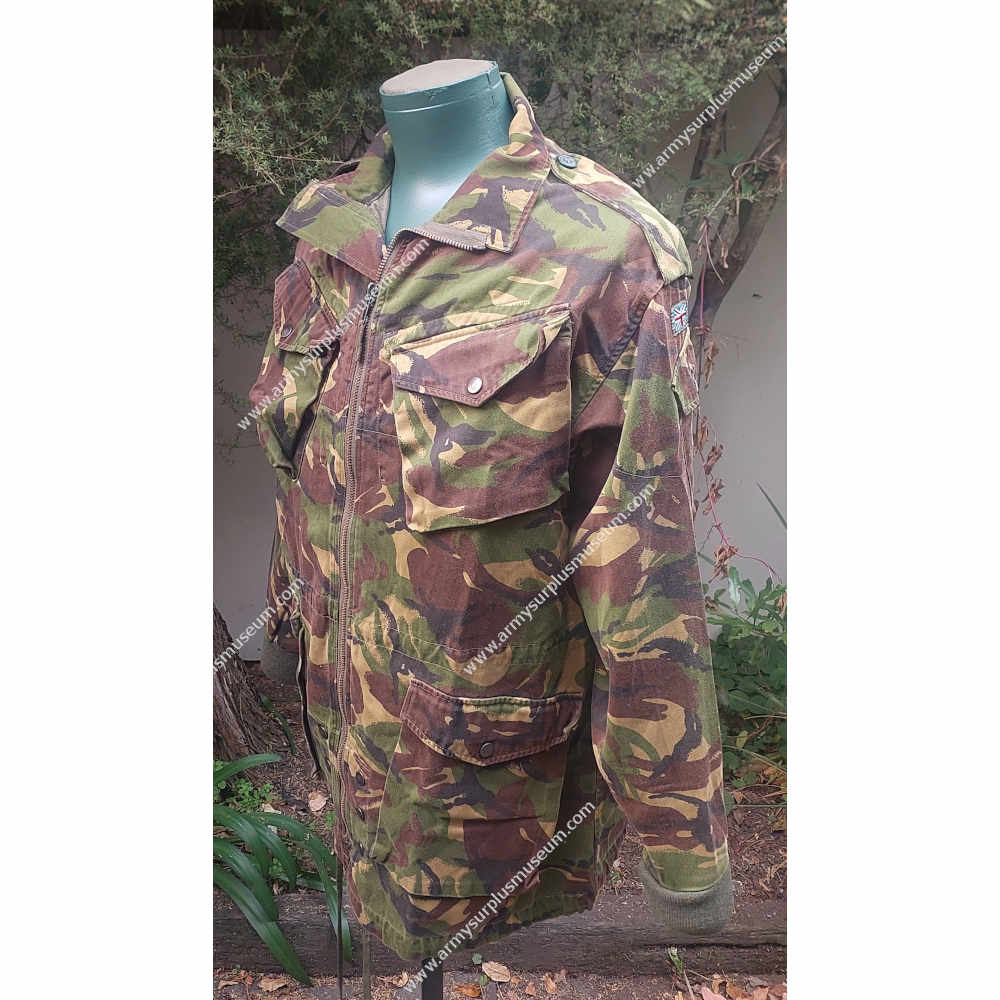
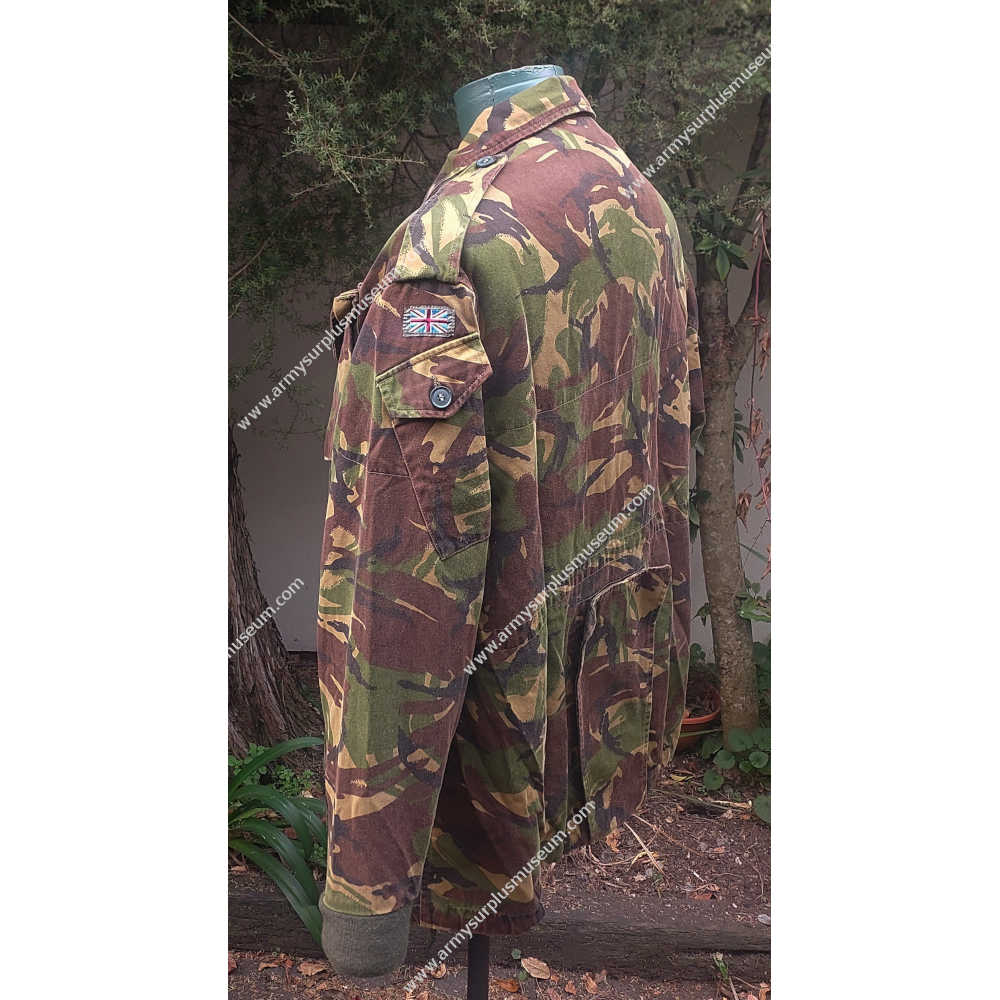
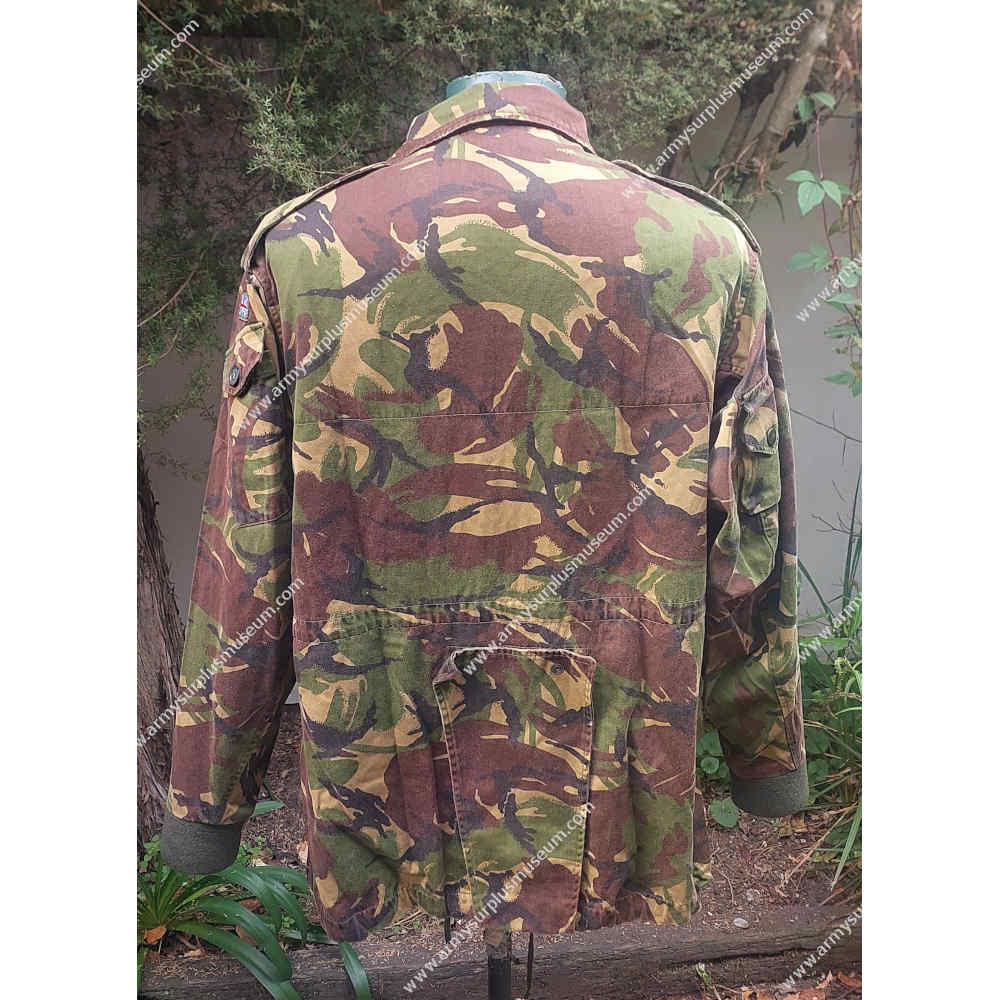
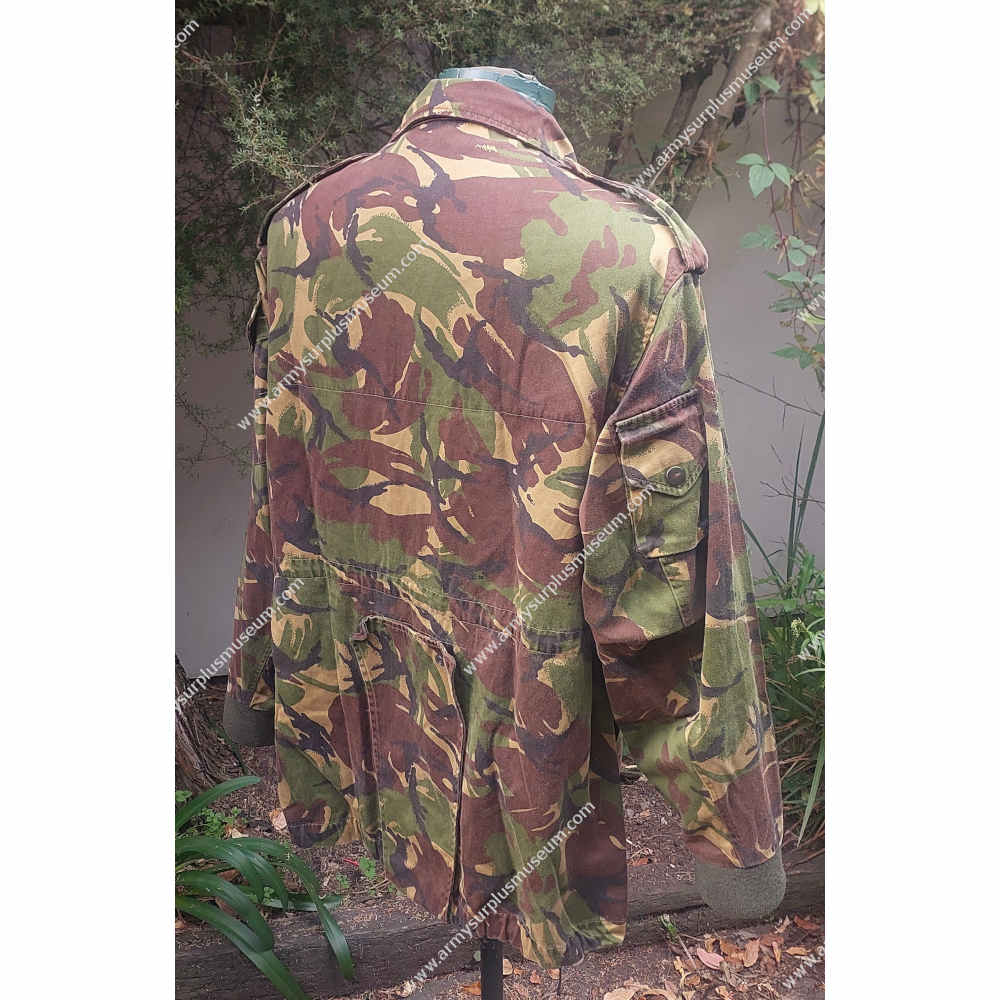
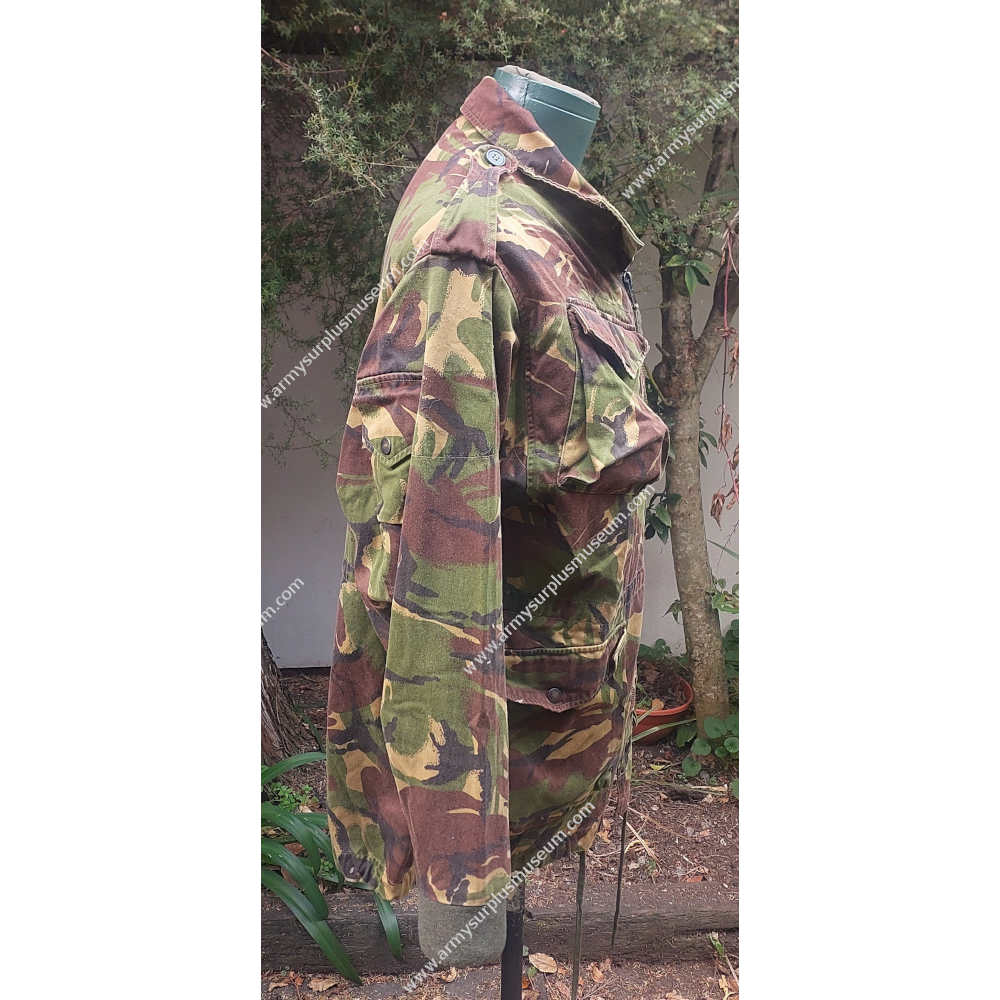

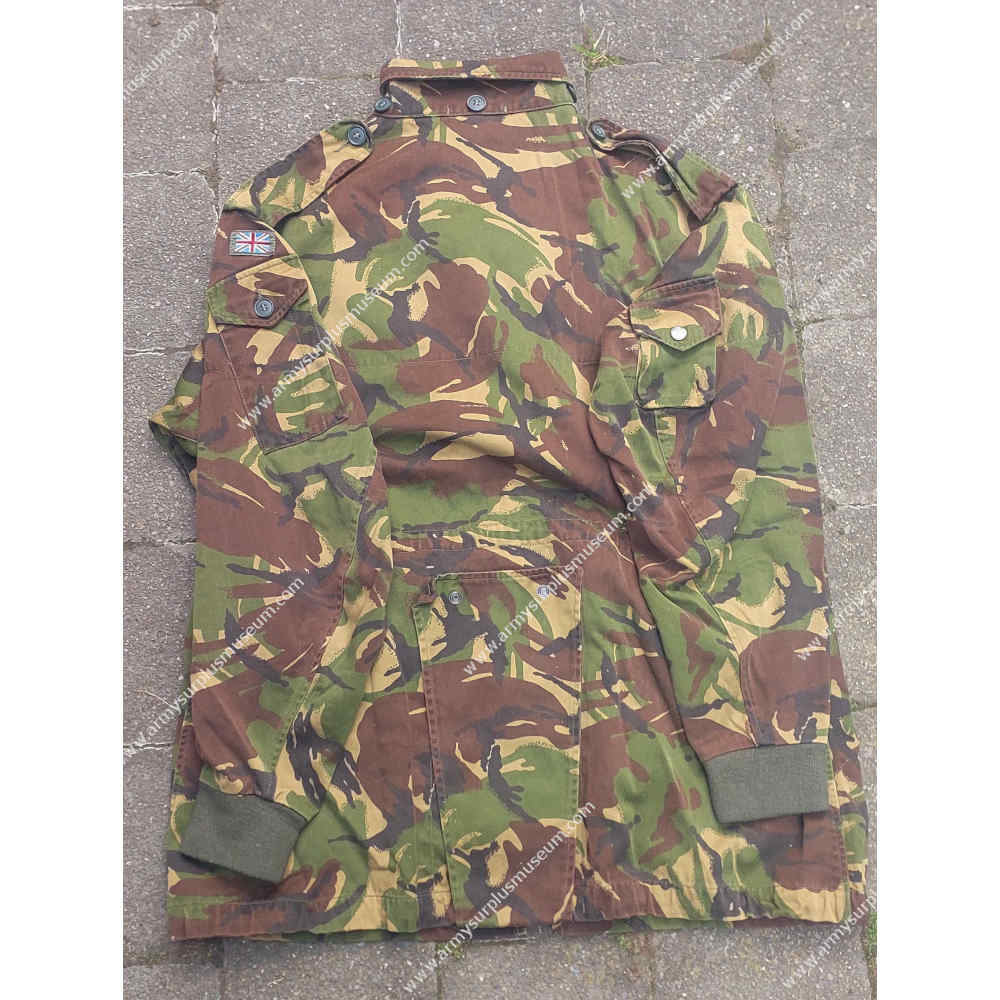


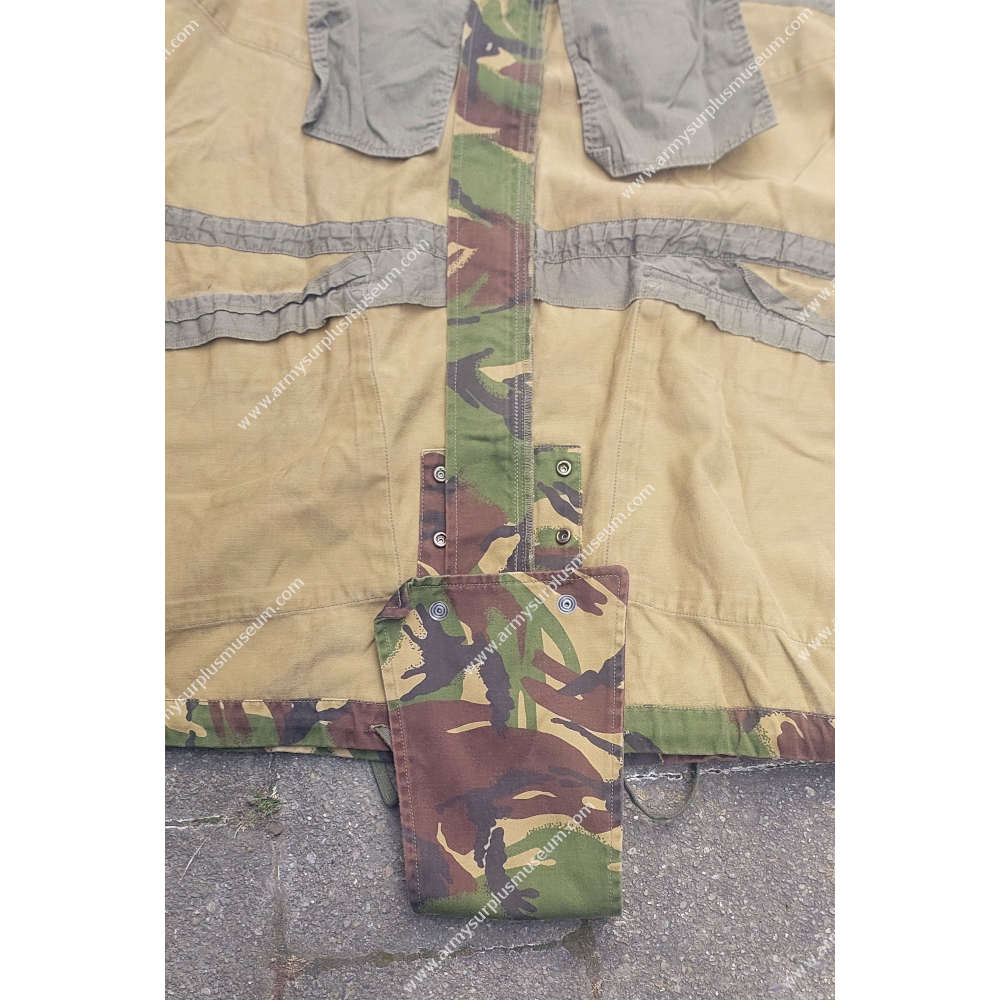

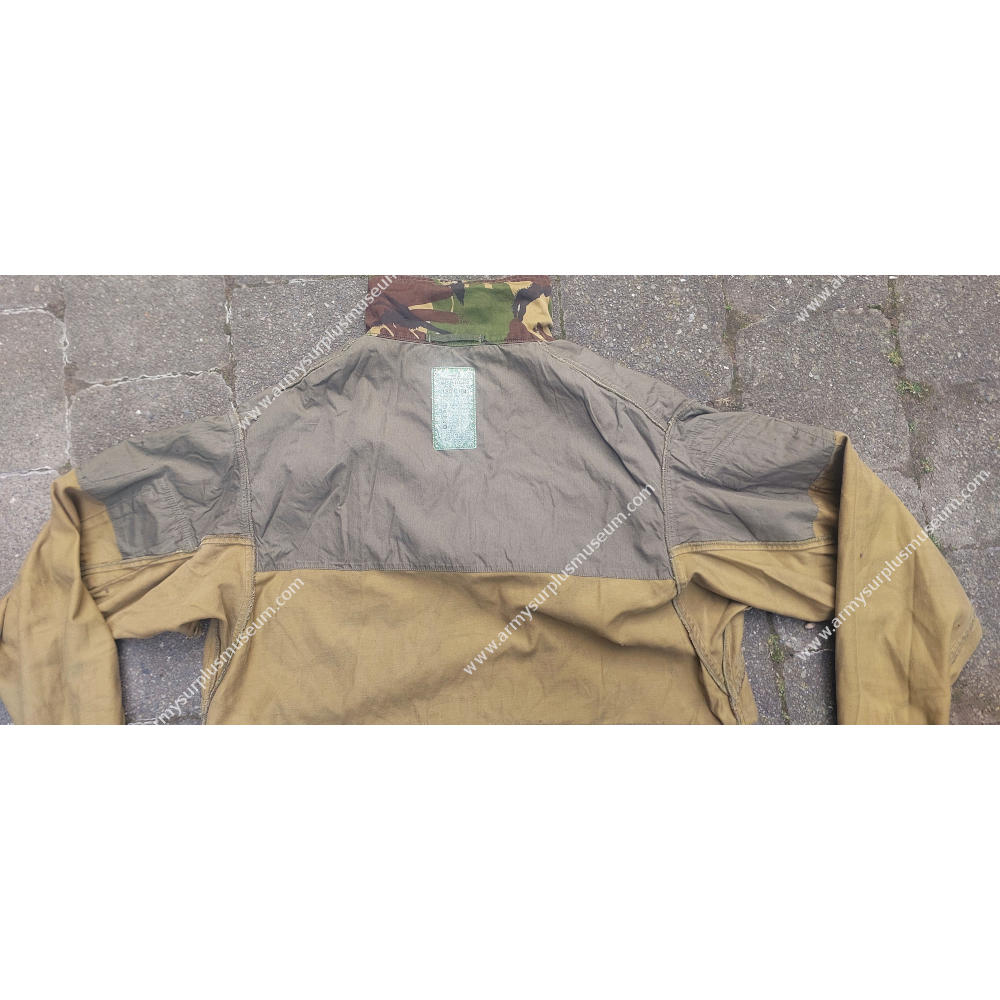


Date of Production: 2006.
Manufacturer: Cooneen Watts & Stone Ltd.
NATO Stock Number (NSN): 8415-99-132-4016.
Contract Number: DC2CESL-3129.
Camouflage Pattern: Temperature Disruptive Pattern (DPM).
Size: 180/104.
Volume Capacity: 19.2L
Top pockets- 1.5L each.
Bottom pockets: 3L each.
Upper arm/FFD pocket- 250ml.
Bottom pockets: 3L each.
Internal pockets: 1L each.
Poachers pockets: 4 L each side.
Object Number: 8720-826-46111.
Example Two
With MTP becoming the newly adopted camouflage pattern of the British Armed Forces, the smock was redesignated Smock, Parachutist’s, Multi-Terrain Pattern (MTP) to reflect the change in camouflage pattern.
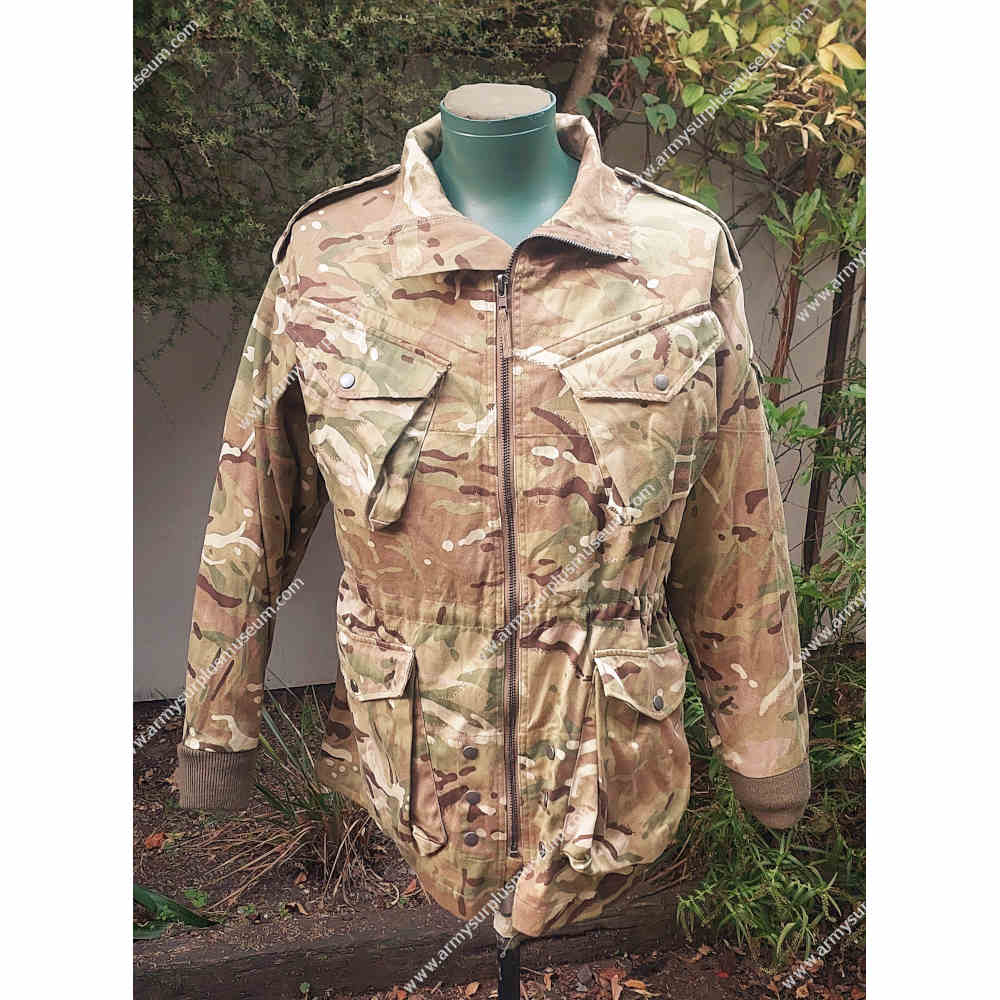
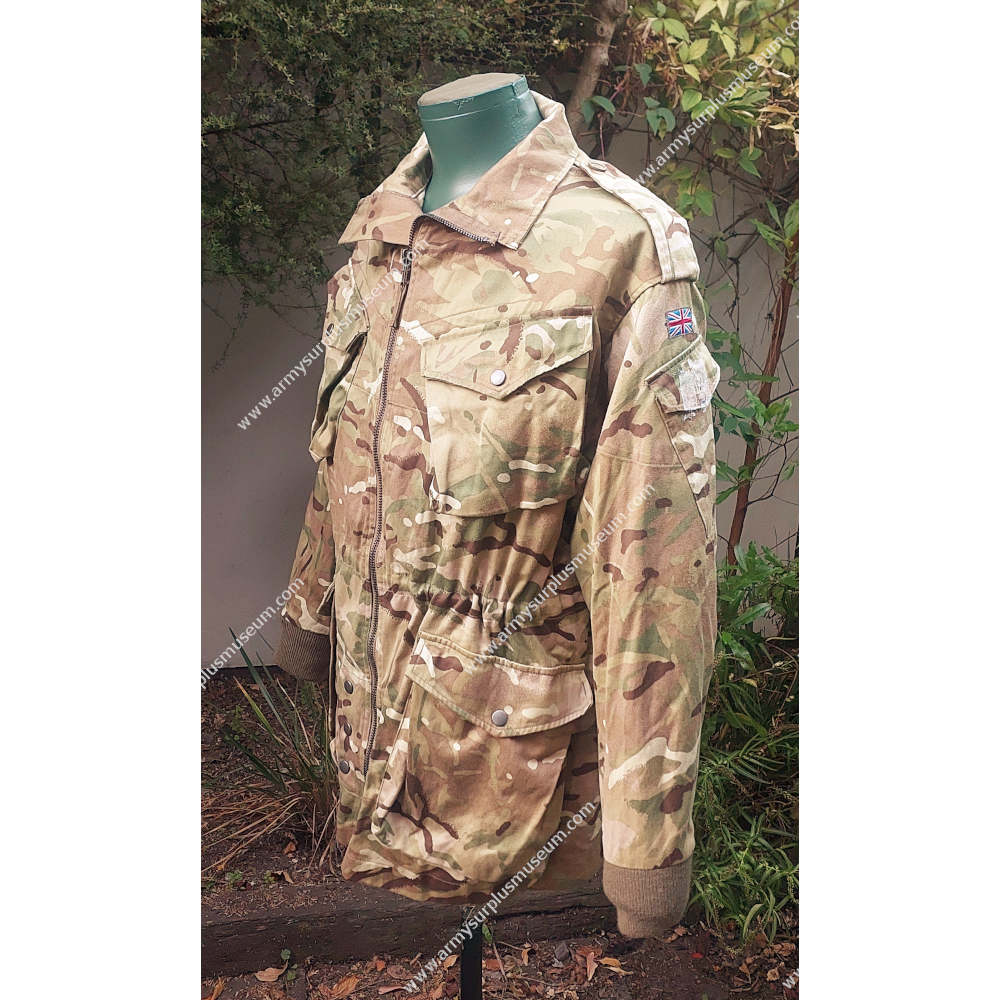
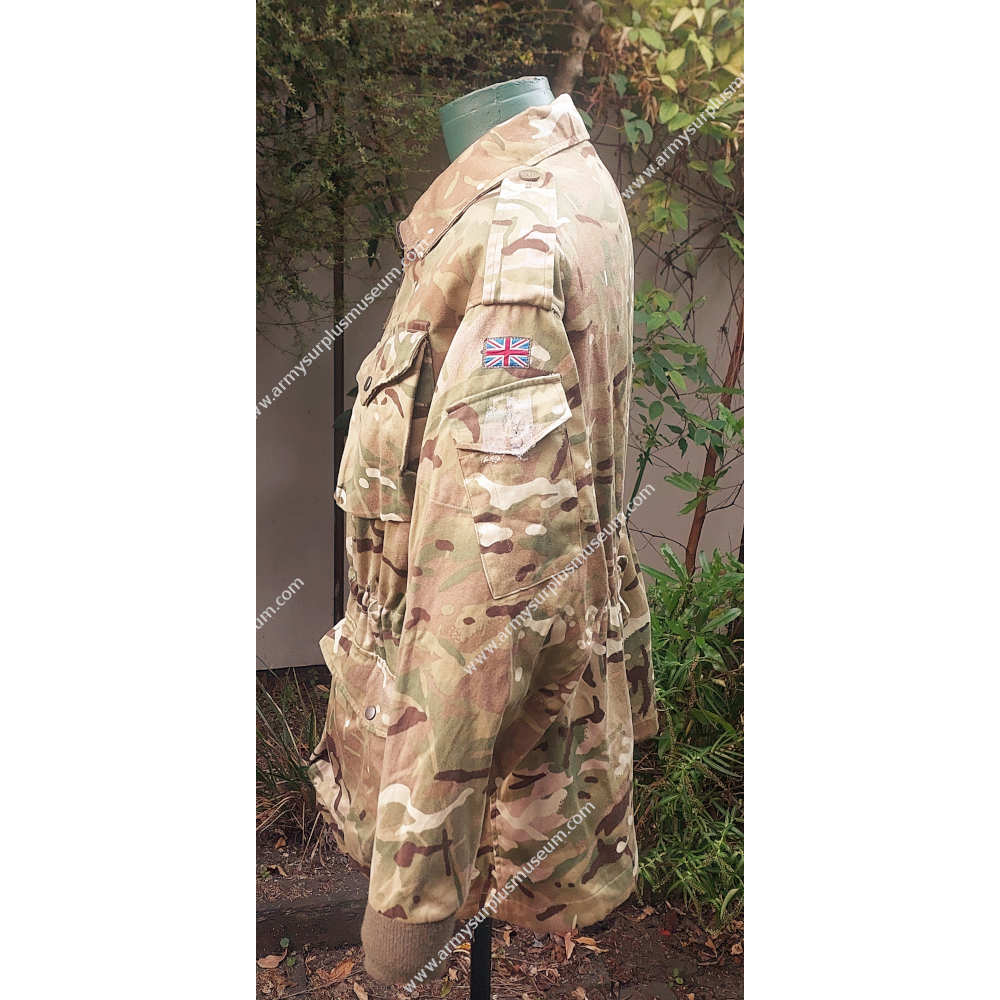
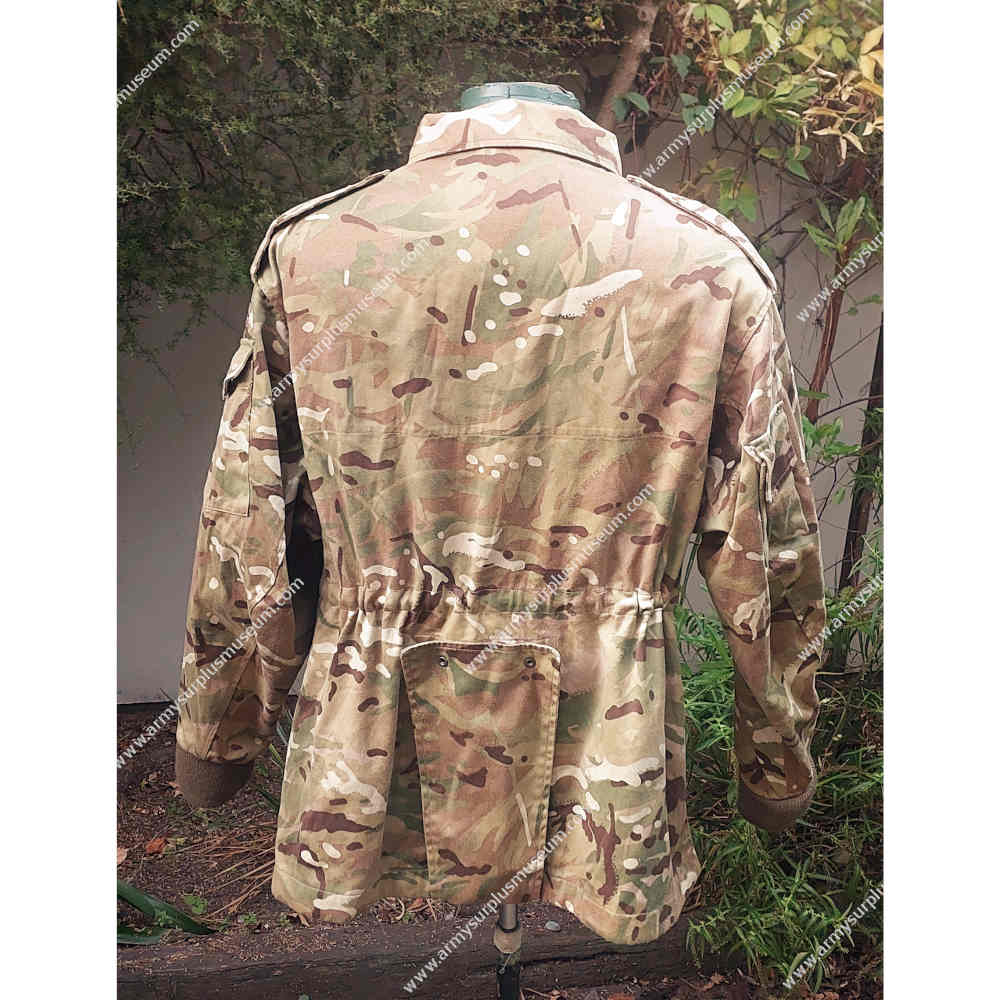
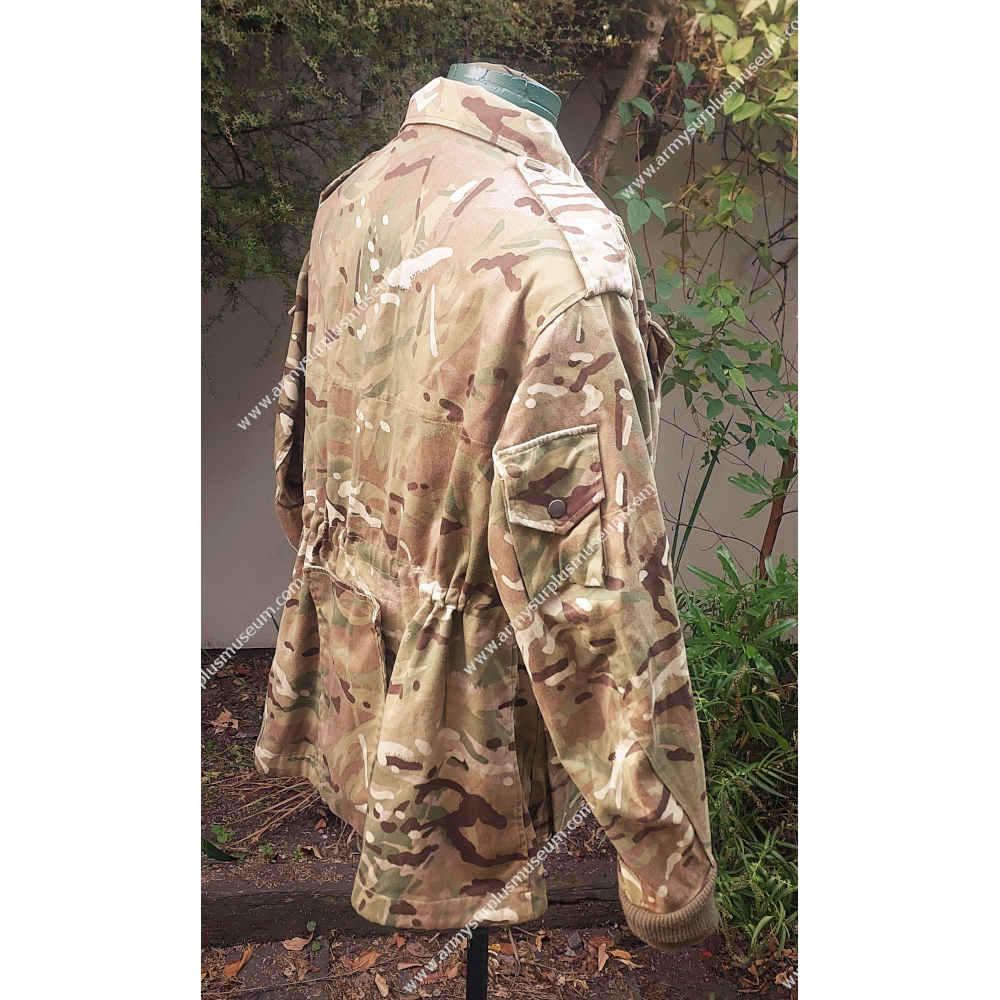
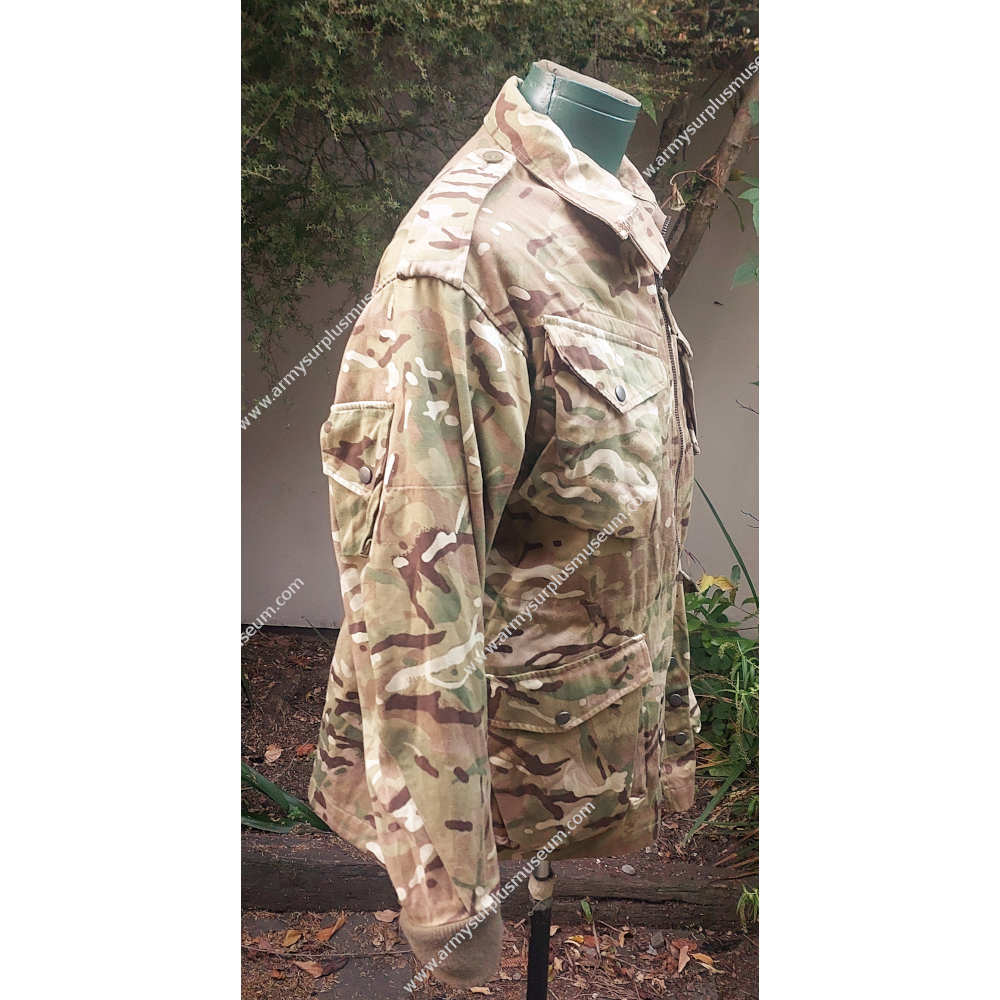
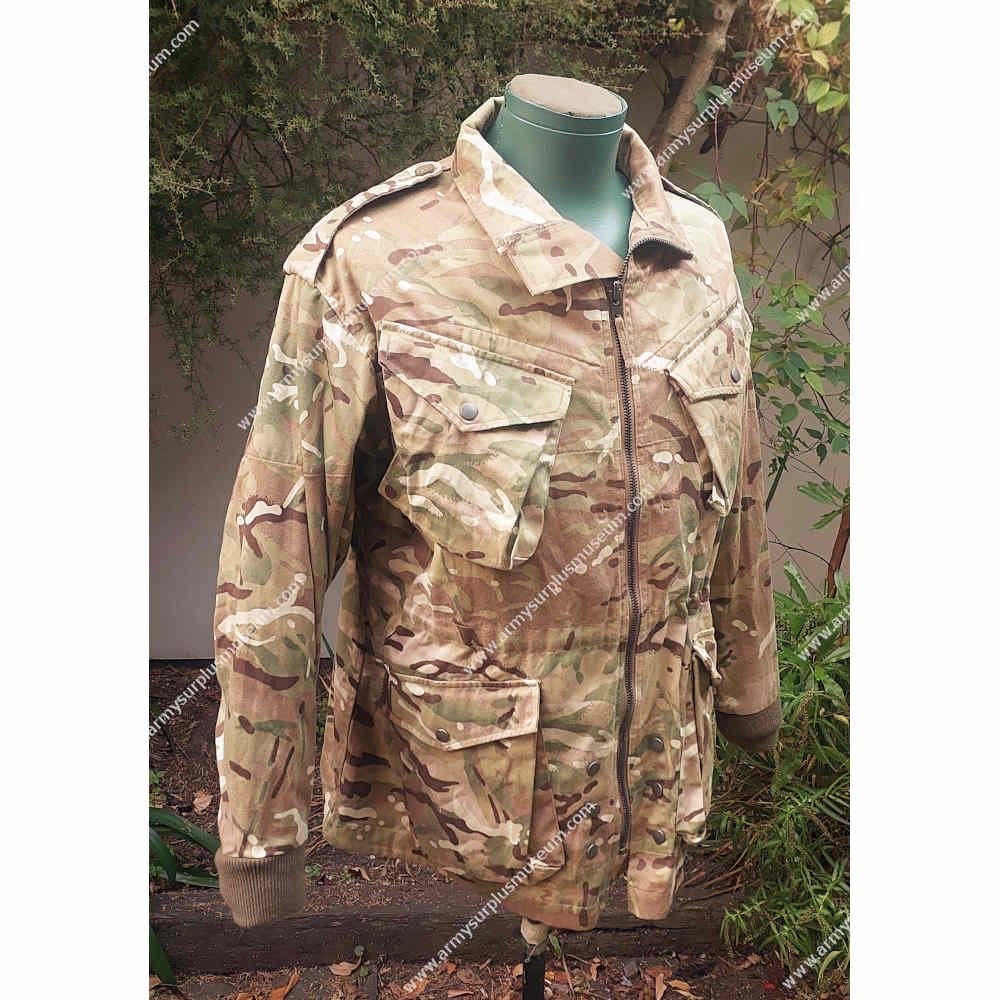


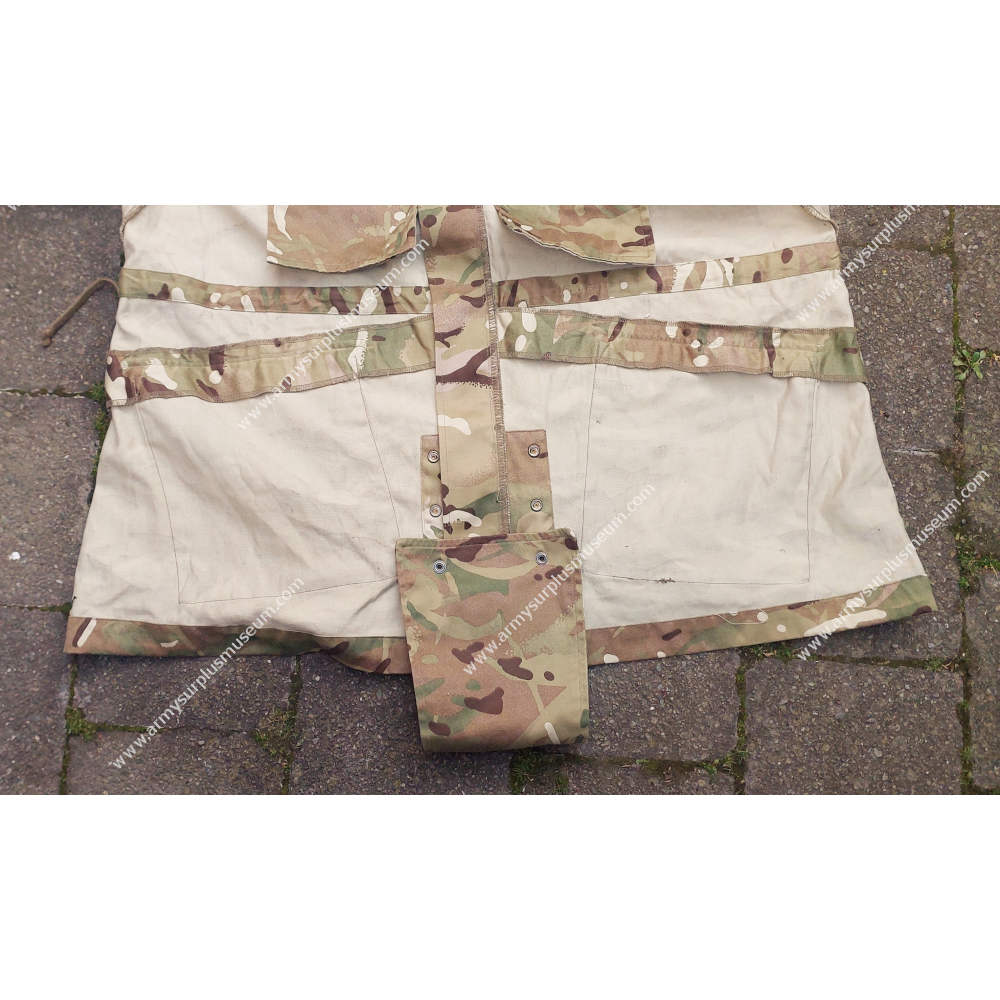


Date of Production: 2011.
Manufacturer: Cooneen Watts & Stone Ltd.
NATO Stock Number (NSN): 8415-99-418-3312.
Contract Number: DC2A/2000.
Camouflage Pattern: Multi Terrain Pattern (MTP).
Size: 170/104.
Object Number: 8720-826-46109.
